Best Emergency Water Pouches for Survival Kits in October 2026
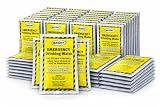
Mayday 73021 Emergency Water Packets (50-Pack) | 50 Water Pouches, 4.225 fl oz (125 ml) Each; 5-Year Shelf Life
- READY-TO-DRINK CONVENIENCE: 50 POUCHES, NO MIXING OR FILTERING NEEDED!
- COMPACT DESIGN: SPACE-SAVING PACKETS IDEAL FOR EMERGENCY KITS.
- LONG SHELF LIFE: RELIABLE WATER SOURCE, LASTS UP TO 5 YEARS!


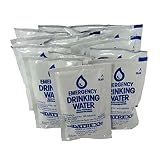
Datrex Emergency Water Packet 4.227 oz - 3 Day/72 Hour Supply (18 Packs) , White
- EMERGENCY WATER: LIGHTWEIGHT, COMPACT, AND READY FOR USE ANYTIME.
- INDIVIDUAL SACHETS REDUCE LOSS, PERFECT FOR LONG-TERM STORAGE.
- DURABLE PACKAGING APPROVED BY COAST GUARD; 5-YEAR SHELF LIFE.
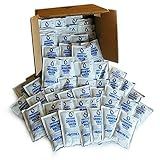
Datrex Emergency Survival Water Pouch (Pack of 64), 125ml
-
COMPACT 125ML SACHETS: LIGHTWEIGHT, EASY TO STORE AND TRANSPORT.
-
DURABLE, PRE-MEASURED SACHETS ENSURE QUICK AND SAFE DISPENSING.
-
5-YEAR SHELF LIFE AND APPROVED BY COAST GUARD & SAFETY AGENCIES.
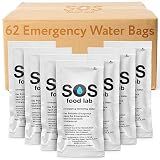
S.O.S Emergency Drinking Water – 62 Packets (4.22 oz Each) – 5-Year Shelf Life, Disaster Preparedness Supply, Portable Survival Water with Usage Tips – Ideal for Home, Car, Hiking, Camping
- LIGHTWEIGHT SACHETS: PORTABLE EMERGENCY WATER FOR ON-THE-GO SAFETY.
- 5-YEAR SHELF LIFE: IDEAL STORAGE SOLUTION TO MINIMIZE LOSS POTENTIAL.
- SUPERIOR PACKAGING: DURABLE DESIGN ENSURES RELIABILITY IN EMERGENCIES.
Datrex Emergency Water Packet - 3 Day/72 Hour Supply (24 Packs) (1 Pack)
-
IMMEDIATE-USE EMERGENCY WATER, LIGHTWEIGHT AND COMPACT DESIGN.
-
INDIVIDUAL SACHETS MINIMIZE LOSS POTENTIAL; PERFECT FOR STORAGE.
-
APPROVED BY USCG, CANADIAN COAST GUARD, EC, AND NZ FOR QUALITY.
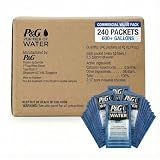
P&G Purifier of Water Portable Water Purifier Packets (240 Packets) - Emergency Water Filter Purification Powder for Emergency Kit, Survival, Camping, Hiking, Backpacking, and Disaster Preparedness
- 240-PACK VALUE: ENSURE RELIABLE EMERGENCY WATER SUPPLY FOR ANY SITUATION.
- PROVEN PURIFICATION: DESTROYS 99.9999% BACTERIA AND 99.99% VIRUSES RELIABLY.
- LIGHTWEIGHT & PORTABLE: ULTIMATE TRAVEL-FRIENDLY WATER PURIFIER FOR ANY KIT.
Datrex Emergency Water Packet - 3 Day/72 Hour Supply(12packets)
- LIGHTWEIGHT, COMPACT 125 ML SACHETS FOR EMERGENCY WATER NEEDS.
- INDIVIDUAL SACHETS MINIMIZE LOSS; PERFECT FOR SEAMLESS STORAGE.
- APPROVED BY COAST GUARD & OTHERS; DURABLE PACKAGING FOR SURVIVAL KITS.
Emergency Water Pouches Canada: Guide in 2026 matters more than most people realize because a typical emergency pouch holds just 125 mL to 250 mL, while basic short-term emergency planning often assumes at least 2 litres of drinking water per person per day. That gap catches people off guard fast during winter outages, wildfire evacuations, road closures, and apartment building water shutdowns across Canada.
I’ve tested shelf-stable emergency water alongside jugs, cans, and portable filters, and the biggest surprise is this: water pouches for emergency use are excellent for grab-and-go kits, but they’re rarely enough as your only water plan. If you’re building a car kit, condo emergency bin, or family evacuation pack, the right pouch format can make life easier. The wrong one wastes space, leaks under pressure, or expires before you notice.
You’ll find out which pouch types make sense, what shelf-life claims actually mean, how to compare options by budget, and the red flags that show up again and again in buyer reviews.
How we select products: Our team reviews products daily, analyzing customer ratings, packaging durability, shelf-life claims, storage practicality, and real buyer feedback to surface options that provide the best value. For this guide, we prioritized 4.0+ star products, transparent expiration labeling, and pouch formats that make sense for Canadian emergency kits.
Why are emergency water pouches so popular in Canada in 2026?
The short answer is portability. Emergency water pouches Canada shoppers usually want something lighter and more compact than rigid bottles, especially for bug-out bags, condo storage bins, workplace kits, and vehicle emergency packs.
That matters in real Canadian conditions. A family in a high-rise dealing with a 24-hour boil-water advisory has different needs than someone packing a roadside winter kit in northern Ontario. Pouches solve one very specific problem well: they’re portion-controlled, sealed, and easy to distribute.
The best use case is not long-term daily hydration. The best use case is immediate, controlled access to safe water during the first 24 to 72 hours.
Related searches reflect that intent too:
- emergency drinking water pouches
- emergency purified water pouches
- emergency purified drinking water pouches
- water pouches emergency
- emergency water pouches canada
What makes the best emergency water pouches worth buying?
The best emergency water pouches do three things well: they survive storage, they clearly display expiration dates, and they don’t create a false sense of preparedness.
Here’s what separates strong options from weak ones:
-
Shelf-life clarity
- Look for a clearly printed manufacturing date and expiry date.
- A credible emergency water pouches shelf life claim is usually measured in years, not months.
- If the seller only says “long-lasting” without exact dating, skip it.
-
Seal strength
- Pouches should resist pinhole leaks and seam splits.
- Reviews mentioning leakage in transit are a serious warning because pouch failure often happens before you even need them.
-
Portion size
- Small-format pouches are easier to ration but less efficient for full-day hydration.
- For example, eight 125 mL pouches only give you 1 litre total, which is still below minimum daily drinking needs for many adults.
-
Case format
- A compact multi-pack is usually better than loose singles.
- Searchers often look for formats like datrex emergency water pouches case of 64 because bulk cases make inventory tracking easier.
-
Storage flexibility
- The best options fit in vehicle kits, backpacks, office drawers, and home bins without cracking containers or odd wasted space.
Definitive takeaway: The best emergency water pouches for most Canadians are the ones with multi-year shelf life, visible expiry printing, leak-resistant seals, and enough total volume to cover at least one day per person.
Emergency Water Pouches Canada: Guide in 2026 selection criteria that actually matter
A lot of articles overrate branding and underrate logistics. In real-life use, Emergency Water Pouches Canada: Guide in 2026 decisions come down to storage math.
I use this checklist before recommending any emergency drinking water pouch:
- Minimum rating threshold: 4.0 stars or better
- Review count comfort zone: ideally 100+ reviews, because defects show up more clearly at scale
- Shelf-life claim: usually 5 years or more
- Packaging durability: no recurring complaints about burst seams or swollen pouches
- Case practicality: stackable, countable, and easy to rotate
- Taste feedback: neutral taste matters more than people think during stress
- Expiry visibility: readable date stamp on pouch or outer carton
If you’re also comparing portable hydration containers for everyday backup use, read more. Just keep in mind that reusable bottles solve a different problem than sealed emergency reserves.
What to look for before buying emergency purified water pouches
If you’re shopping emergency water pouches canada listings, don’t just compare pack sizes. Compare these six specifics.
1. How much water you’re actually getting
A case can look generous until you calculate volume. Thirty-two 125 mL pouches equal only 4 litres, which may cover just one adult for roughly two days of conservative drinking, and that’s before cooking or sanitation.
2. Temperature tolerance during storage
Canadian garages and vehicles swing from deep freeze to summer heat. Pouches handle vibration and movement better than some jugs, but prolonged extreme temperatures can still stress seams and outer cartons.
3. Whether the water is sealed for emergency compliance
Buyers often search terms like emergency purified drinking water pouches because they want sterile, sealed units intended for emergency storage rather than novelty drink packs or camping refills.
4. Whether the expiration date is easy to rotate
The issue isn’t just emergency water pouches expiration. It’s whether you’ll actually notice it. If the date is buried on a torn outer box, your rotation system will fail.
5. Pack shape and stackability
Flat rectangular pouches usually store better than odd blister formats. In a 72-hour kit, wasted shape can cost you room for food, batteries, gloves, or medication.
6. Case integrity after shipping
Crushed cartons are common in online orders. Before adding any case to long-term storage, inspect for damp spots, swollen pouches, or sticky residue.
Pro tip: Rotate emergency water every time you change smoke alarm batteries or reset clocks for daylight saving changes. That gives you two built-in reminders per year, which is far more reliable than trying to remember a five-year date from memory.
Which emergency water pouches are best under $25?
Under $25, you’re usually buying a starter quantity, not a complete household supply. This price bracket is best for solo commuters, office drawers, student dorm kits, and minimalist car emergency bags.
Best under $25: small multi-pack pouches with visible expiry dates and compact flat storage.
What you should expect:
- Enough water for a short disruption, not a family emergency
- Smaller pouch counts or lower total volume
- Basic cardboard outer packaging
- Better suited to go-bags than home emergency stockpiles
Good fit for:
- 1-person vehicle kits
- Transit bags
- Workplace emergency drawers
- Backup for first-aid kits
Bad fit for:
- Multi-person households
- Remote cabin outages
- Extended boil-water advisories
If you’re building a larger preparedness setup, this tier works best as a supplement.
What’s the $25 to $50 sweet spot for Emergency Water Pouches Canada: Guide in 2026 buyers?
This is the value range most people should target. For Emergency Water Pouches Canada: Guide in 2026, the $25-$50 bracket usually delivers the best balance of quantity, shelf life, and replacement cost.
Best overall value: a mid-size case that covers at least one adult for one to two days without overloading your storage space.
Why this tier stands out:
- Better total litre count
- More practical case sizes for family bins
- More consistent review history
- Easier cost-per-litre math than tiny starter packs
This is also where searchers often compare specific formats like datrex emergency water pouches and mayday emergency drinking water pouches. Both phrases show strong buyer intent because shoppers want shelf-stable emergency hydration, not generic bottled water.
If you’re researching those exact formats, pay close attention to:
- total litres per case
- printed emergency water pouches expiration
- pouch seam consistency
- whether the carton is durable enough for long-term storage
Are premium emergency drinking water pouches over $50 actually worth it?
Sometimes yes, but only for specific use cases. Premium pricing makes sense when you need higher total volume, better case organization, or multiple kits at once.
Best premium use case: households building 72-hour preparedness supplies for 3+ people.
Premium buys can make sense for:
- family emergency closets
- cottage or cabin kits
- multi-vehicle preparedness plans
- workplace compliance stock
They usually do not make sense for:
- one-person urban condo kits
- casual “just in case” buyers
- people who won’t rotate stock on schedule
If you only need basic portability, you’ll rarely get better real-world value by overspending.
How long do emergency water pouches last, really?
The most common question after purchase is about emergency water pouches shelf life. In most cases, the water itself is less fragile than the packaging. What ages first is usually the pouch material, seals, or printed carton.
That’s why emergency water pouches expiration matters. The expiration date is not just a marketing deadline. It’s a practical packaging reliability deadline.
Here’s the simple rule:
- Unexpired, properly stored pouches are generally the safest bet
- Expired pouches may still look fine, but they no longer meet the original storage assurance
- Damaged pouches should be discarded immediately
💡 Did you know: A five-year pouch stored in a hot vehicle year-round may age faster than the same pouch kept in a cool indoor closet. Heat cycling is one of the biggest hidden causes of packaging fatigue.
For adjacent preparedness gear and carrying solutions, Fitprops has useful ideas for moisture-resistant transport, especially if you’re assembling a grab-and-go bag.
What do reviews say about leaking, taste, and bad expiration labeling?
The most useful review patterns are boring-and that’s exactly why they matter. Buyers rarely complain that emergency pouches are “too plain.” They complain about leaks, weak seams, and confusing dates.
Here are the biggest red flags I keep seeing:
-
Leak reports in multiple reviews
If several buyers mention damp boxes or popped seams, move on. -
No close-up photos of expiration labels
A seller who avoids showing date coding creates unnecessary risk. -
Very low review count with overly perfect ratings
A 5.0 rating from 6 buyers tells you almost nothing. -
Outer box damage during shipping
This matters because pressure damage can weaken pouches even if they aren’t visibly ruptured. -
Complaints about plastic taste
Taste becomes a bigger issue during stress, dehydration, or when serving children.
Definitive rule: If a product has repeated leak complaints, it is not one of the best emergency water pouches, even if the listed shelf life looks attractive.
If you want a comparison mindset for sealed hydration products, this best leak proof water bottles guide shows how packaging complaints often predict long-term satisfaction better than marketing copy.
Where should you store water pouches for emergency use in Canada?
Storage location matters almost as much as the pouch itself. The best spots are cool, dark, dry, and easy to access within minutes.
Ideal locations:
- front-hall closet emergency bin
- insulated interior storage room
- condo utility shelf
- basement shelving away from chemicals
- dedicated car kit container, rotated more often
Avoid:
- direct sun exposure
- furnace rooms with high heat swings
- shelves above solvents or fuel
- sharp-edged metal bins
- long-term loose storage under heavy objects
If you’re trying to build a complete water system, not just emergency pouches, modern stainless water features and fixed hydration setups are a separate category entirely, but they can complement home resilience planning.
Where to buy emergency water pouches in Canada without getting low-quality stock
People searching where to buy emergency water pouches usually care about one thing: avoiding old inventory. That’s smart, because shelf-stable products can sit in warehouses for years before they reach you.
The best places to check are:
- emergency preparedness retailers
- major online marketplaces with recent reviews
- outdoor and marine supply stores
- safety supply distributors
- selected big-box listings, including searches for emergency water pouches walmart
Before buying, verify:
- expiry date policy
- return policy on damaged cartons
- whether cases ship from domestic warehouses
- review recency from the last 6 to 12 months
For general product trail comparisons, check source if you want to compare how niche product categories handle packaging and presentation details.
Emergency Water Pouches Canada: Guide in 2026 quick comparison table
| Buyer type | Best format | Ideal budget | Key priority | Biggest mistake |
|---|---|---|---|---|
| Solo commuter | Small multi-pack | Under $25 | Compact storage | Assuming a few pouches equal a full day |
| Condo household | Mid-size case | $25-$50 | Easy rotation and stackability | Ignoring total litres |
| Family of 4 | Multiple mid/premium cases | Over $50 | 72-hour volume planning | Buying one case and stopping |
| Vehicle emergency kit | Small flat pouches | Under $25 | Freeze-tolerant storage routine | Leaving stock unrotated for years |
| Workplace or cottage | Bulk case format | $25-$50+ | Visible expiry control | Storing damaged cartons |
If you’re comparing case-style emergency supplies and organized home setups, see the details on how durable packaging and refill planning influence long-term usability in other water-related categories too.
For niche manufacturing and custom-storage curiosity, read more here.
Final recommendation for most buyers
If you’re choosing between dozens of similar listings, focus on total drinkable volume plus clearly printed expiration dates. That single filter eliminates most bad buys faster than obsessing over marketing claims.
For most people, the smartest purchase is a mid-priced case of emergency purified water pouches that gives at least one full day of water per person, stores flat, and has a shelf-life date you can actually read at a glance.
Frequently Asked Questions
where to buy emergency water pouches
You can usually buy emergency water pouches from emergency preparedness stores, outdoor retailers, safety suppliers, and major online marketplaces. The best option is the seller with the clearest expiration-date policy and the most recent buyer reviews, not just the lowest price.
how long do emergency water pouches last
Most emergency drinking water pouches are sold with a multi-year shelf life, often around five years, depending on packaging and storage conditions. Cool, dark indoor storage usually helps them last closer to their stated date than hot garages or vehicles.
are emergency water pouches worth it for a 72-hour kit
Yes, emergency water pouches are worth it for a 72-hour kit because they’re compact, sealed, and easy to ration. They work best as short-term emergency hydration, but most households still need more total water than a small pouch pack provides.
what is the difference between emergency purified water pouches and regular bottled water
Emergency purified water pouches are designed for longer sealed storage, compact packing, and controlled rationing. Regular bottled water is usually easier for daily use, but it takes more space and is less efficient in tightly packed emergency kits.
is a datrex emergency water pouches case of 64 enough for a family
A datrex emergency water pouches case of 64 may be enough for very short-term use, but it depends on the pouch size and your family’s water needs. Always calculate the total litres in the case and compare that against at least 2 litres per person per day for basic drinking needs.