Best Telescope Filters for Moon and Planet Viewing in October 2026
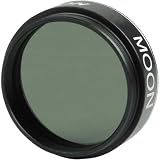
Celestron Moon Filter for Telescopes – Fits Most 1.25" Eyepieces | Reduces Lunar Glare, Improves Contrast, Reveals Surface Detail, Great for Bright Moon & Planet Viewing
- ENHANCE LUNAR VIEWS: REDUCE GLARE & BOOST CONTRAST INSTANTLY!
- PERFECT FOR BRIGHT PLANETS & TERRESTRIAL SCENES OVER SAND OR SNOW.
- EFFORTLESS INSTALLATION ON 1.25” EYEPIECES; BACKED BY CELESTRON'S WARRANTY!

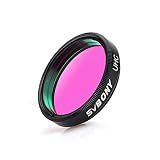
SVBONY Telescope Filter, 1.25" UHC Filter Improve Contrast for Telescope | Optical Glass Lens, Aluminum Frame, Astrophotography Filter, Light Pollution Filter Nebula Filters, Telescope Accessories
- SIGNIFICANTLY CUTS LIGHT POLLUTION FOR STUNNING CELESTIAL VIEWS!
- ENHANCES NEBULA CONTRAST, PERFECT FOR BOTH DARK AND URBAN SKIES.
- SHARP IMAGES FOR ASTRONOMY AND ASTROPHOTOGRAPHY ENTHUSIASTS!
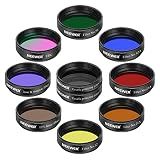
NEEWER 1.25' Telescope Eyepiece Filter Set (10 Pack), Including Planetary, Variable, UHC, Lunar & Starglow Filters for Moon Observation
- UNLOCK CELESTIAL DETAILS WITH 5 VIBRANT PLANETARY COLOR FILTERS!
- ENHANCE CONTRAST AND REDUCE GLARE USING VARIABLE POLARIZING FILTERS.
- COMPREHENSIVE 10PCS FILTER SET FOR STUNNING ASTRONOMICAL VIEWING!
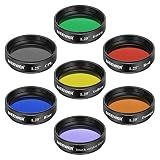
Neewer 1.25 inches Telescope Moon Filter, CPL Filter, 5 Color Filters Set(Red, Orange, Yellow, Green, Blue), Eyepieces Filters for Enhancing Definition and Resolution in Lunar Planetary Observation
- ENHANCE VISION AND DETAIL WITH OUR ADVANCED FILTER KIT FOR TELESCOPES!
- FIVE VIBRANT COLOR FILTERS FOR OPTIMIZED PLANETARY AND LUNAR VIEWS.
- FITS MOST TELESCOPES-EASY SCREW-IN DESIGN FOR QUICK SETUP AND USE!
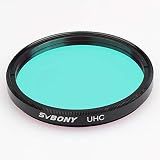
SVBONY 2" UHC Filter, Multi Coating Optical Glass, Telescope Filter | Improve Image Contrast, Reduce Light Pollution, Telescope Accessories for Deep Sky Objects Astrophotography & Observation
- ENHANCE IMAGE CONTRAST FOR STUNNING CELESTIAL VIEWS AND PHOTOGRAPHY.
- DURABLE OPTICAL GLASS AND ALUMINUM REDUCE LIGHT POLLUTION EFFECTIVELY.
- COMPATIBLE WITH ALL 2 TELESCOPE EYEPIECES FOR VERSATILE USE.
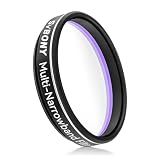
SVBONY SV240 Telescope Filter, 1.25 inch Multi-Narrowband Filter | Increase Contrast, Ha OIII H-Beta, Telescope Accessories for City Astrophotography and Visual Observation
- CAPTURE STUNNING NEBULAE AND GALAXIES UNDER ANY LIGHT POLLUTION!
- ACHIEVE VIBRANT COLORS WITH OSC CAMERAS-NO NEED FOR MULTIPLE FILTERS!
- ENHANCE CONTRAST AND DETAIL IN DEEP SKY IMAGING WITH HIGH TRANSMITTANCE!
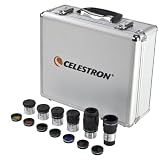
Celestron Eyepiece, Barlow & Filter Telescope Accessory Kit – 1.25" Barrel | 14 Essential Telescope Accessories, 5 Plossl Eyepieces, 2x Barlow, 7 Colored & Moon Filters, Includes Premium Metal Case
- COMPREHENSIVE KIT: INCLUDES 5 EYEPIECES, 2X BARLOW, AND FILTERS FOR VERSATILITY.
- HIGH-QUALITY OPTICS: SUPERIOR PLÖSSL DESIGN FOR CLEAR, EXPANSIVE VIEWS.
- DURABLE CASE: PROTECTS GEAR AND PROVIDES ROOM FOR FUTURE EXPANSION.
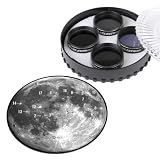
Celestron Moon Filter Set – Neutral Density & Sky Glow Filters – Moon Map | Complete Moon Filter Kit with Moon Map, Reduce Glare, Improve Lunar Contrast, Fits 1.25" Telescope Eyepieces
- CHOOSE FROM 3 ND FILTERS FOR OPTIMAL VIEWING IN ANY LIGHT.
- ENHANCE LUNAR VIEWS AND DEEP SKY OBJECTS WITH OUR MOON FILTER.
- DURABLE ALUMINUM CELLS WITH STACKING FEATURE FOR VERSATILE USE.
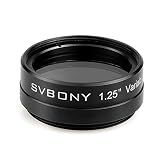
SVBONY Telescope Filter 1.25 inches, Variable Polarizing Filter Moon Filter | Neutral Colored Optical Glass, Standard 1.25 inch Filter Thread, Aluminum Frame, Enhances Contrast of Moon and Planets Images
- ENHANCED LUNAR DETAIL WITH ADJUSTABLE BRIGHTNESS FOR OPTIMAL VIEWING.
- NEUTRAL OPTICAL GLASS PRESERVES NATURAL MOON COLORS AND CONTRAST.
- STANDARD 1.25 THREAD FITS MOST TELESCOPES FOR EASY USE.
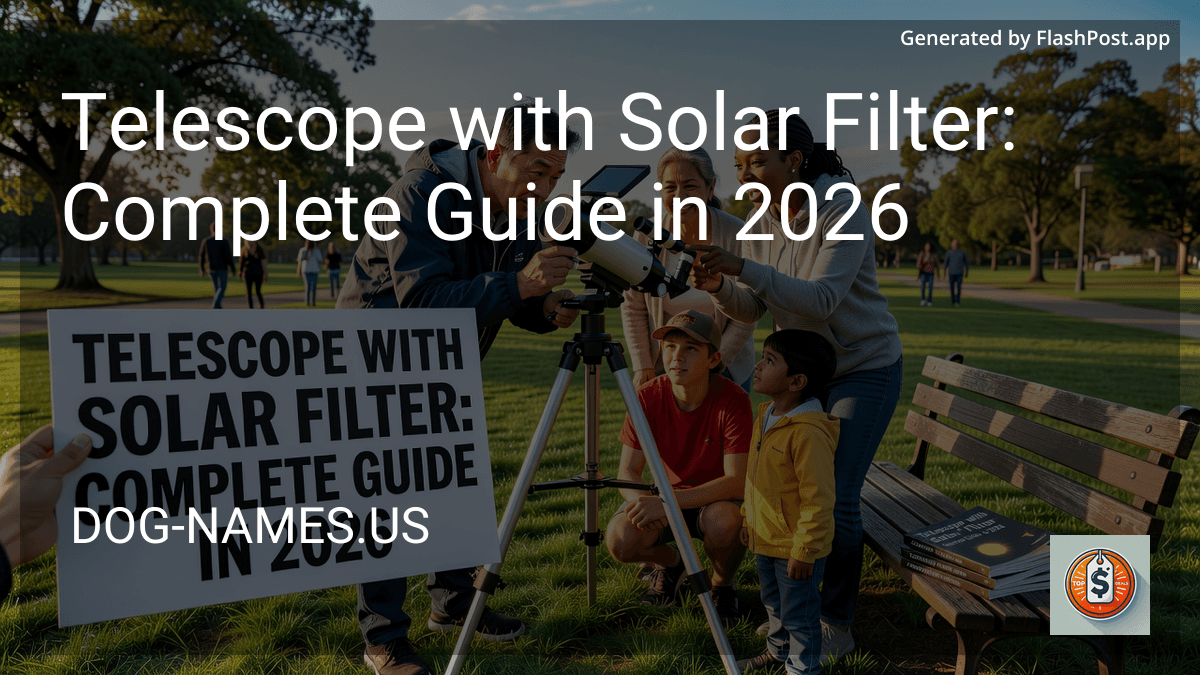
Telescope with Solar Filter: Complete Guide in 2026 starts with one non-negotiable fact: an unfiltered telescope can permanently damage your eyesight in seconds if you point it at the Sun. I’ve used a telescope with solar filter setups for eclipse viewing, sunspot tracking, and outreach sessions, and the difference between a safe, sharp view and a dangerous mistake usually comes down to one detail-the filter must go over the front aperture, not at the eyepiece.
That’s why this guide matters. You’ll learn which type of solar filter for telescope is safest, what specs actually affect the view, which budget range makes sense, and which red flags show up again and again in buyer reviews. If you’re comparing a sun filter telescope accessory to a dedicated solar scope, or wondering whether a lunar filter for telescope does the same job, you’ll get a clear answer here.
How we select products: Our team reviews products daily, analyzing customer ratings (4.0+ stars minimum), pricing trends, discount history, construction quality, safety certifications, and real buyer feedback to surface options that deliver dependable value. For this topic, we also prioritize filters designed for full-aperture solar viewing, clear installation instructions, and materials with a strong track record for wrinkle resistance and secure mounting.
What is a telescope with solar filter, and why is it different from a moon filter telescope setup?
A telescope with solar filter is a standard telescope fitted with a certified front-mounted filter that reduces sunlight to a safe level for visual observing. A proper telescope filter for sun cuts incoming light by roughly 99.999%, which is why it looks almost opaque before use.
A moon filter telescope setup is completely different. A moon filter for telescope is made to dim the Moon’s reflected light for comfort, not to block the Sun’s intense energy, UV, and infrared radiation. Put simply: a telescope moon filter is not a solar safety device.
That distinction trips up beginners every year. Search terms like sun filter for telescope, telescope with sun filter, and solar filter telescope are often used interchangeably online, but the only version you should trust is one clearly built for direct solar observing and mounted over the telescope’s front opening.
How we tested Telescope with Solar Filter: Complete Guide in 2026 recommendations
I evaluated this category the same way experienced hobbyists do in the field: by looking at fit security, image sharpness, filter material stability, and setup error risk. A flimsy mount is more than an annoyance-it’s a safety problem.
The shortlist criteria were strict:
-
Front-aperture design only
The best telescope solar filter options cover the objective lens or front tube opening. I excluded eyepiece “sun filters” entirely because they have a long history of being unsafe. -
Secure attachment system
Filters with three-point retention, thumb screws, elasticized cells, or custom fit rings consistently get better long-term feedback than loose slip-on frames. -
Optical consistency
Wrinkles, pinholes, and uneven tension reduce contrast. The better solar telescope filter models keep the solar disk crisp enough to show major sunspot groups and limb darkening. -
Clear sizing information
Buyer errors spike when listings only mention telescope model names and skip exact outer-diameter measurements. The best listings include millimeter fit ranges. -
Review threshold
As a working rule, I trust options with 4.3+ stars and substantial buyer feedback more than sparsely reviewed listings. Low-volume ratings hide fit problems.
Meanwhile, if you like comparing niche gear guides across categories, you can see how structured buying criteria are applied in avdeb-emdash.publictop-proxy.workers.dev.
What to look for before you buy a telescope with solar filter
If you only remember one section from this Telescope with Solar Filter: Complete Guide in 2026, make it this one. Most disappointment comes from choosing the wrong size or the wrong filter type, not from the telescope itself.
1. Full-aperture coverage is the safest choice
A proper sun telescope filter sits over the front of the optical tube. That position prevents concentrated sunlight from entering the telescope in the first place, which is far safer than trying to reduce it later in the light path.
2. Verify the exact outer diameter of your telescope
Don’t buy based on telescope type alone. Measure the outside diameter of the dew shield or tube opening in millimeters, because a filter that’s even 2 to 3 mm too loose can shift during use.
3. Glass vs film changes the viewing experience
Film filters are usually lighter, more affordable, and often surprisingly sharp. Glass filters feel more durable in hand, but they’re heavier and don’t automatically produce a better image.
Definitive recommendation: For most beginners, a lightweight front-mounted film-based solar filter for telescope offers the best balance of safety, ease of use, and value.
4. White-light solar viewing is what most people actually want
Most mainstream telescope with solar filter kits are for white-light viewing, which means you’ll see the Sun’s disk and larger sunspots. You will not see dramatic prominences unless you move into a specialized dedicated solar instrument category.
5. Check for pinholes before every session
Even a good sun filter for telescope should be inspected against bright indoor light before use. One or two tiny defects may be patchable depending on manufacturer guidance, but widespread pinholes, dents, or loose cells are a no-go.
Pro tip: The sharpest solar views usually happen before pavement and rooftops heat up, often within the first 2 hours after sunrise. Poor daytime seeing blurs detail far more than most beginners expect.
Best options by budget: where a telescope with solar filter makes the most sense
Buyers usually shop by budget first, then by optics. That’s rational here, because the jump from “cheap” to “worth using” is mostly about fit quality and mounting security.
Under the entry-level budget: basic sun filter telescope add-ons
At the low end, you’re usually looking at simple film-cell designs for small refractors or compact reflectors. These can work very well, but tolerances matter more, and generic sizing causes more returns.
Best for:
- Small beginner scopes
- Casual sunspot viewing
- People who want safe eclipse prep without upgrading their telescope
Watch for:
- Vague fit descriptions
- Thin cardboard cells without reinforcement
- Listings that confuse a lunar filter for telescope with a telescope filter for sun
The mid-range sweet spot: better fit, better peace of mind
This is where most people should shop. Mid-tier models typically offer stronger cells, more secure retention, cleaner instructions, and fewer complaints about slippage or warped material.
Best for:
- Frequent backyard observing
- Families sharing one scope
- Users who want a dependable telescope with sun filter for more than one season
Definitive recommendation: The best value in 2026 is a mid-range solar filter telescope accessory with exact millimeter sizing, reinforced front cell construction, and a retention system that can’t be knocked loose by accident.
Premium picks: for large apertures and repeat use
Premium filters make the most sense if you already own a larger telescope and know you’ll use it often. The biggest upgrades are usually durability, fit precision, and better frame rigidity rather than radically better solar detail.
Best for:
- Larger optical tubes
- Outreach events
- Observers who repeatedly transport gear
That said, once your budget climbs high enough, a dedicated solar scope starts competing on value. If you’re curious how specialty-product comparisons are handled in other niches, see stlplaces.com.
Solar telescope vs solar filter: which gives better value in 2026?
This is one of the most searched comparisons for good reason. A solar filter for telescope lets you use the telescope you already own, while a dedicated solar telescope is a separate instrument built specifically for solar observing.
For most beginners, the better value is clear: buy a front-mounted solar filter for your current telescope first. If you already have stable optics, that route is dramatically cheaper and still shows sunspots, faculae near the limb, and solar disk texture under good seeing.
A dedicated solar scope makes more sense if:
- Solar observing will be your main hobby
- You want specialized views beyond basic white-light observing
- You’d rather avoid removing and reinstalling filters between sessions
If you enjoy reading how buyers compare specialty gear categories before upgrading, similar decision frameworks show up at this best billiard table accessories guide.
What the reviews say: 6 red flags that show up again and again
After reading enough user feedback on telescope with solar filter products, you start seeing the same problems repeat. Most are avoidable if you know what to look for before checkout.
1. “Fits my telescope” with no measurement data
This is the single biggest red flag. If the listing doesn’t give an exact fit range in millimeters, return risk jumps sharply.
2. Confusing solar and lunar terminology
If a listing casually mixes moon filter telescope, telescope moon filter, and solar telescope filter language, move on. Sellers who blur those terms are signaling poor product knowledge.
3. No mention of front mounting
A safe telescope sun filter should clearly show and describe front-end installation. Ambiguous placement instructions are a hard stop.
4. Complaints about loose cells in windy conditions
Even positive reviews sometimes mention a filter shifting outdoors. If more than a handful of buyers mention adding tape or homemade shims, the fit system is underdesigned.
5. Wrinkled or dented material on arrival
This matters more with shipping than with manufacturing. A deformed filter may still look “usable” to a beginner, but optical quality and safety confidence both drop.
6. Overpromising views
If the product copy suggests dramatic flame-like edge detail from a standard white-light sun filter telescope, that’s marketing overreach. Expect the solar disk and sunspots, not observatory-style images.
For another example of how buying guides flag mismatch issues and overhyped listings, check more on eco-friendly shower accessories.
Is a telescope with solar filter worth buying if you already own a regular telescope?
Yes-if your telescope is mechanically sound and you buy the correct front-mounted filter size, a telescope with solar filter setup is one of the smartest low-cost upgrades in amateur astronomy. You unlock daytime observing without buying a second general-use scope.
The best use case is simple: you already enjoy the Moon and planets, and you want to add solar viewing a few times a month. In that scenario, a sun filter telescope add-on gives far better value than replacing your whole setup.
On the other hand, if your current telescope has unstable mounting, damaged optics, or awkward front geometry, the money may be better spent elsewhere first. Oddly enough, that same “accessory only works if the core platform is solid” lesson appears in https://chiggaway.com.
Setup checklist: how to use a telescope with solar filter safely
Before every session, run this sequence. It takes less than 3 minutes, and it’s the simplest way to reduce mistakes.
- Inspect the filter for pinholes, tears, dents, or loose retaining parts.
- Mount the filter on the front aperture only.
- Confirm it cannot slide off with a light shake test indoors.
- Cap or remove the finder scope unless it also has a proper solar filter.
- Aim using the shadow method, not by looking along the tube.
- Recheck the filter after repositioning the telescope.
💡 Did you know: Unfiltered finder scopes are a major weak point in backyard solar observing. Even if your main solar filter telescope setup is correct, an uncovered finder can still create a dangerous concentrated beam.
For a random example of how odd web references sometimes surface during research, I even came across www.google.ca and go to page buried in image-index paths-another reminder to verify source quality before trusting gear advice.
Quick comparison table: telescope with solar filter vs moon filter for telescope vs dedicated solar scope
| Option | Safe for Sun? | Best Use | Typical View | Best For |
|---|---|---|---|---|
| Telescope with solar filter | Yes, if front-mounted and certified | Sunspot viewing, eclipses, outreach | White-light solar disk, major sunspots | Most beginners |
| Moon filter for telescope | No | Reducing Moon glare | More comfortable lunar observing | Night observers only |
| Dedicated solar scope | Yes | Frequent solar-only use | More specialized solar detail depending on type | Enthusiasts |
Bottom line: The best first purchase for most people is a properly sized front-mounted solar filter for telescope use, not a moon filter and not an expensive dedicated solar instrument.
Frequently Asked Questions
what is a moon filter for a telescope
A moon filter for a telescope is a neutral-density filter that reduces the Moon’s brightness so the view feels more comfortable, especially in larger apertures. It is not designed for solar use, and it should never replace a sun filter for telescope safety filter.
how to make solar filter for telescope
The safest answer is: don’t improvise unless you’re using proven solar filter material and a secure front-cell design. A homemade filter must fully cover the front aperture, fit tightly, and be inspected for pinholes or damage before every use; if you’re unsure, buy a ready-made telescope with solar filter solution instead.
solar telescope vs solar filter
A solar telescope vs solar filter comparison comes down to cost and specialization. A solar filter for telescope is usually the better value for beginners because it uses your existing scope, while a dedicated solar telescope is better for people who observe the Sun regularly and want a more specialized experience.
is a telescope with solar filter worth it for beginners
Yes, a telescope with solar filter is worth it for beginners if the filter is front-mounted, correctly sized, and used on a stable telescope. It’s the lowest-cost safe entry into solar observing and usually provides enough detail to make sunspots and solar motion genuinely interesting.
can I use a lunar filter for telescope to look at the sun
No, you cannot safely use a lunar filter for telescope to observe the Sun. A lunar filter only dims reflected moonlight, while a proper solar telescope filter blocks the overwhelming majority of direct solar energy before it enters the telescope.