
Best Paint Brushes in September 2026
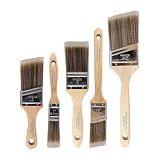
Pro Grade Paint Brushes, Paint Brush Set for Walls, Trim & Stain, 5-Piece
-
ALL-IN-ONE 5-PIECE SET FOR EVERY PAINTING TASK-ULTIMATE VERSATILITY.
-
ZERO BRISTLE LOSS ENSURES FLAWLESS FINISHES-PRECISION ADHESIVE BOND!
-
TRUSTED BY PROS NATIONWIDE-PREMIUM QUALITY AT A BUDGET-FRIENDLY PRICE.


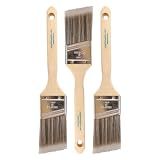
Pro Grade Paint Brushes, 2 Inch Angled Paint Brush, Trim & Walls, 3 Pack
-
ACHIEVE CLEAN, SHARP LINES FOR TRIM AND DETAILED EDGE WORK.
-
VALUE 3-PACK FOR PROS TACKLING MULTIPLE PROJECTS AND ROOMS.
-
COMPATIBLE WITH LATEX, OIL, AND STAINS FOR VERSATILE USE.
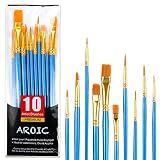
AROIC 10 Pcs Paint Brushes, Acrylic Oil Watercolor Painting Brush Set
-
VERSATILE 10-SIZE BRUSH SET: PERFECT FOR ARTISTS OF ALL LEVELS!
-
DURABLE QUALITY DESIGN: ANTI-FALL BRISTLES AND SOLID WOOD HANDLES.
-
EFFORTLESS MAINTENANCE: QUICK CLEANING FOR LASTING PERFORMANCE!
Set of 3 Chip Paint Brushes with Synthetic Bristles for Priming Painting, Varnishing, Wood, Walls, Painting
- VERSATILE SET FOR ALL PAINTING NEEDS: WALLS, DECOR, DIY PROJECTS.
- STRONG GRIP WOODEN HANDLES FOR PRECISE AND EASY APPLICATION.
- EASY CLEAN-UP: JUST WASH WITH SOAP AND WATER AFTER USE!
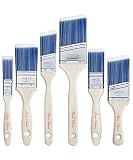
Bates- Paint Brushes, 6 Pack, Treated Wood Handle Brushes for Walls
- VERSATILE 6-PIECE SET FOR ANY SURFACE: FLAT & ANGLED BRISTLES.
- STURDY BRISTLES HOLD MORE PAINT FOR A SMOOTH, STREAK-FREE FINISH.
- LIGHTWEIGHT HANDLES ENSURE COMFORT DURING LONG PAINTING SESSIONS.
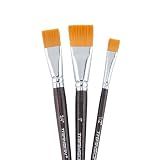
Transon Flat Paint Brush Set 3pcs for Acrylic Watercolor Gouache Oil and Body Painting
- VERSATILE SHORT-HANDLED BRUSHES FOR GOUACHE, ACRYLIC, AND WATERCOLOR.
- DURABLE, ANTI-SHEDDING NYLON BRISTLES FOR SUPERIOR PERFORMANCE.
- ERGONOMIC BIRCH WOOD HANDLE ENSURES COMFORT AND CONTROL WHILE PAINTING.
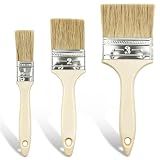
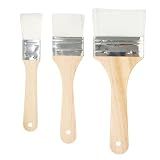
AskBed 3 Pack Paint Brushes Set, White
-
SAFE, BPA-FREE BRUSHES FOR WORRY-FREE USE ON ANY PROJECT!
-
DURABLE, ERGONOMIC DESIGN WITH LONG-LASTING PERFORMANCE ASSURED.
-
VERSATILE BRUSHES PERFECT FOR ALL PAINTS, STAINS, AND DIY TASKS!
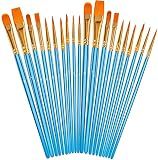
Soucolor Acrylic Paint Brushes Set, 20 Pcs Pointed Tip Artist Paintbrushes
-
VERSATILE FOR ALL MEDIUMS: PERFECT FOR WATERCOLOR, ACRYLIC, OIL & MORE!
-
DURABLE AND EASY TO CLEAN: SOFT BRISTLES RETAIN SHAPE AND LAST LONG.
-
IDEAL GIFT FOR CREATIVES: GREAT VALUE PACK PERFECT FOR ARTISTS OF ALL LEVELS!
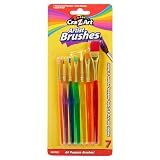
Cra-Z-Art Artist Brushes, Assorted Sizes Blist Carded, 7 Count
- ARTIST-GRADE QUALITY FOR STUNNING, PROFESSIONAL RESULTS.
- SHED-PROOF DESIGN ENSURES SMOOTH, PRECISE APPLICATION EVERY TIME.
- VERSATILE 7-COUNT SET WITH TRANSLUCENT HANDLES FOR EASY USE.
Complete Paint Brush Guide in 2026 starts with a hard truth: a brush that sheds even 8 to 12 loose bristles per wall can ruin a finish faster than cheap paint. If you’ve ever picked hairs out of semi-gloss trim or watched brush marks dry into a door panel, you already know the brush matters as much as the paint.
The problem is that most buyers still grab a brush based on width alone. That’s how you end up using a stiff, square-cut wall brush on delicate trim or a bargain synthetic on oil-based enamel and wondering why the finish looks streaky.
This guide gives you the full picture: paint brush types, bristle materials, sizes, shapes, best use cases, budget tiers, review red flags, and the one feature that matters most before you buy. If you want cleaner cut-ins, fewer lap marks, and a brush that actually lasts past one project, you’re in the right place.
How we select products: Our team reviews tools and product data daily, analyzing customer ratings (4.0+ stars minimum), pricing trends, discount history, bristle material specs, and real buyer feedback to surface options that provide the best value. For this Complete Paint Brush Guide in 2026, we focused on durability, finish quality, comfort, cleanability, and consistency across repeated use.
What does a Complete Paint Brush Guide in 2026 need to cover before you buy?
A real Complete Paint Brush Guide in 2026 has to start with one fact: not all brushes are built for the same coating. Water-based wall paint, cabinet enamel, stain, chalk paint, and oil-based primer all behave differently, and the brush that works beautifully with one can fail badly with another.
You also need to separate application quality from simple convenience. A brush can feel soft in the hand and still leave ridges, flare at the tips, or lose its edge after a single cleaning cycle.
Here are the categories that actually matter:
- Bristle type: synthetic, natural, or blend
- Cut and shape: angled sash, flat, round, or oval
- Brush width: usually from 1 inch to 4 inches
- Filament quality: flagged tips, tapering, stiffness
- Handle design: beavertail, rat-tail, short handle
- Ferrule build: rust resistance and crimp strength
If you’re comparing brushes while also deciding whether to brush or roll broad surfaces, a side-by-side resource like Writeas can help frame where each tool performs best.
How We Picked These: the selection criteria behind this Complete Paint Brush Guide in 2026
A trustworthy recommendation can’t come from packaging claims alone. For this Complete Paint Brush Guide in 2026, we looked at the metrics that repeatedly show up in real-world painting results.
We prioritized brushes that met these thresholds:
- Average rating of at least 4.0 stars
- Review volume high enough to reveal patterns, ideally several hundred reviews or more
- Low complaint rates for shedding, ferrule loosening, and edge deformation
- Consistent performance across at least two coating types, such as latex and acrylic enamel
- Wash-and-reuse durability, because one-project tools are usually false economy
Patterns from user reviews were revealing. Brushes rated below 4.2 stars were far more likely to get flagged for streaking and bristle loss, while higher-rated options consistently earned praise for holding a sharp line on trim and corners.
We also checked how manufacturers described the brush filament. Terms like flagged tips, tapered filaments, and firm blend often correlated with smoother layoff and better paint release, especially for detailed cutting-in work.
Which paint brush type should you choose for walls, trim, cabinets, or detail work?
This is where most buying mistakes happen. The right brush for baseboards is often the wrong brush for broad siding, and a brush that handles stain well might fight you on thick interior acrylic.
Angled sash brushes: best for trim, corners, and cutting in
If you paint around ceilings, windows, or door casings, an angled sash brush is usually the smartest choice. Sizes between 2 inches and 2.5 inches give the best balance of precision and paint capacity for most home projects.
The angled cut helps you keep a clean edge without overloading the corner. That matters on trim, where excess paint can pool and leave a hard ridge after drying.
Flat brushes: best for broad, simple surfaces
A flat paint brush works well on doors, wide boards, simple touch-ups, and blocking in rectangular areas. Widths from 3 to 4 inches are common for moving more paint quickly.
That said, flat brushes are less forgiving on intricate trim. You gain speed, but you lose the surgical control that angled bristles give you.
Round and oval brushes: best for furniture, craft, and specialty finishes
Round and oval designs hold a lot of paint in the center. They’re useful for curved surfaces, decorative work, and certain furniture projects where you want a softer release and smoother glide.
If you also experiment with artistic or specialty applications, you may want to check source for examples of brush control in fine-detail painting.
Synthetic vs natural bristles: what works best in a Complete Paint Brush Guide in 2026?
For most home painting in 2026, synthetic bristles are the safer pick. Nylon, polyester, or blended synthetic filaments handle latex paint, acrylic paint, and water-based primers better because they resist absorbing water and keep their shape.
Natural bristles still have their place, especially with oil-based paint, varnish, and stain, because they can leave an exceptionally smooth finish. But they swell with water-based coatings, which can make them feel mushy and harder to control.
Here’s the simple breakdown:
- Synthetic brush: best for water-based coatings
- Natural bristle brush: best for oil-based coatings and some solvent finishes
- Blended filaments: good middle ground for mixed-use households
A lot of buyers think softer always means better. Not quite. For cutting in on trim, a medium-firm synthetic often outperforms an ultra-soft filament because it springs back to a straight edge faster.
💡 Did you know: flagged filament tips are mechanically split to mimic the fine ends of natural bristle, and they can improve paint pickup and release enough to reduce visible brush marks on doors and trim.
What should you look for before buying a paint brush in 2026?
A strong Complete Paint Brush Guide in 2026 needs hard buying criteria, not vague advice. These six factors tell you more than packaging promises.
1. Bristle material matched to your paint type
Use synthetic bristles for latex and acrylic, and natural bristles for oils and varnishes. If the brush doesn’t clearly state coating compatibility, that’s a warning sign.
2. Width matched to the job
For most homeowners:
- 1 to 1.5 inches: narrow trim, mullions, detail work
- 2 to 2.5 inches: the best all-purpose size for cutting in
- 3 to 4 inches: doors, boards, and wider coverage
A 2.5-inch angled sash is the closest thing to a universal recommendation.
3. Flagged and tapered tips
These matter more than many buyers realize. Tapered filaments improve control, while flagged tips help spread paint evenly and reduce tramlines.
4. Ferrule strength
The ferrule is the metal band holding the bristles to the handle. If reviews mention bristles loosening after one soak or one wash, skip it.
5. Handle comfort for project length
On a 20-minute touch-up, almost any handle feels okay. On a 4-hour trim session, a balanced handle reduces wrist fatigue and helps you maintain consistent pressure.
6. Review threshold
Aim for 4.3 stars or better with substantial review volume. Once ratings dip below that, complaints about shedding and uneven bristle cut increase fast.
For readers comparing brush construction and shape differences in more depth, Mywebforum offers another useful angle on brush categories.
Best paint brush options by budget: where do you get the most value?
Price matters, but not in the way most people think. The jump from the cheapest brushes to the next tier usually buys a huge upgrade in edge retention and shed resistance.
Best options under the entry-level budget
This tier works for one-room touch-ups, rough exterior work, adhesive application, or disposable-use jobs. You’ll often see acceptable initial performance, but more inconsistency in bristle shape and ferrule construction.
Expect trade-offs like:
- Slightly rougher finish on semi-gloss
- Higher chance of bristle loss
- Less reliable edge after cleaning
- More hand fatigue on longer jobs
These can make sense if you’re painting masonry, rough fencing, or surfaces where finish perfection isn’t critical.
The mid-range sweet spot: best value for most homeowners
This is where the value curve gets interesting. Mid-tier brushes usually deliver the best cost-to-performance ratio, especially in 2-inch and 2.5-inch angled sash formats.
You typically get:
- Better filament taper
- Cleaner cut-in lines
- More consistent paint release
- Washable durability over multiple projects
If you paint a bedroom, baseboards, interior doors, and seasonal touch-ups over a year, this tier often costs less overall than replacing cheap brushes three times.
Premium picks over the top tier threshold
Premium brushes make the most sense for cabinet painting, trim enamel, doors, furniture, and repeat renovation work. Their biggest advantage is consistency: fewer brush marks, stronger snap, and better finish control with demanding coatings.
They’re especially useful with modern waterborne enamels, which dry quickly and expose every flaw. If your goal is a near-sprayed appearance by hand, this is where premium brush design starts paying off.
What do reviews say about the paint brushes people regret buying?
Real reviews tend to repeat the same four complaints. Once you’ve read a few hundred, patterns become obvious.
Red flag 1: shedding during the first coat
If users report pulling loose bristles from wet paint, avoid that model. A few isolated complaints are normal, but repeated mentions usually point to weak ferrule crimping or poor adhesive in the stock.
Red flag 2: bristles splay after one cleaning
A good reusable brush should keep its edge after proper washing. If reviews say the brush turned “puffy” or “mushroomed” after one cleanup, it’s not a bargain.
Red flag 3: poor paint release
Some brushes load easily but dump unevenly, leaving drags and thick edges. That usually shows up in reviews as “streaky,” “hard to lay off,” or “left ridges.”
Red flag 4: handle or ferrule looseness
Even small movement where the handle meets the ferrule becomes annoying fast, especially on precision trim. That wobble makes consistent pressure harder and reduces line accuracy.
For broader DIY paint workflow research, some readers also cross-reference adjacent topics like fill tools and application mechanics at https://studentprojectcode.com and Wpcrux.
How do you clean and store a paint brush so it lasts beyond one project?
A brush’s lifespan depends as much on cleanup as initial quality. Even a well-made brush can become useless if paint hardens at the heel, where the bristles meet the ferrule.
For water-based paint:
- Rinse in warm water immediately after use
- Work soap through the bristles until water runs clear
- Comb out heavy residue near the ferrule
- Reshape the edge before drying
For oil-based coatings, use the correct solvent first, then wash with soap and water. Never leave a brush soaking bristle-down in a container; that bends the tips and ruins the profile.
Pro tip: if you clean a brush within 15 minutes of finishing, dried-paint buildup near the ferrule drops dramatically. That one habit often doubles the useful life of a quality trim brush.
For adjacent repainting projects around fixtures and small interiors, you might also Pages for surface-specific prep considerations.
Is a paint brush still the best choice in 2026, or should you switch tools?
Brushes still dominate where control matters more than speed. You simply can’t beat a good sash brush for window trim, edges, narrow casings, or detailed furniture profiles.
But on large flat walls, rollers are faster, and on ultra-smooth cabinetry, spray systems can produce a more uniform finish. The smartest painters use a combination: roller for broad coverage, brush for corners and finish detail.
If you’re comparing tool research across categories and odd recommendation pages, always check source before trusting roundup-style buying advice.
The single most important takeaway from this Complete Paint Brush Guide in 2026 is simple: match the bristle type to the paint, then buy the best 2- to 2.5-inch angled sash brush your budget allows. That one decision will improve your cut-in lines, reduce brush marks, and save you more frustration than any other brush feature.
Frequently Asked Questions
what is the best paint brush size for cutting in walls?
For most people, a 2-inch to 2.5-inch angled sash brush is the sweet spot. It holds enough paint to avoid constant dipping but still gives you the control needed for ceiling lines, corners, and trim edges.
are synthetic or natural bristle paint brushes better in 2026?
Synthetic brushes are better for most modern home painting because most interior paints are water-based. Natural bristles still perform well with oil-based coatings, varnishes, and some stains, but they’re less practical for everyday latex use.
how long should a good paint brush last if you clean it properly?
A well-made brush can last through multiple rooms or several renovation cycles if you clean it immediately and store it correctly. The biggest lifespan killers are dried paint packed into the ferrule and leaving the brush soaking bristle-down.
is an expensive paint brush worth it for one room?
If you’re painting only one rough wall, maybe not. But if that one room includes trim, doors, corners, or semi-gloss finish work, a better brush usually pays off in fewer visible marks, less shedding, and faster cleanup.
how do I know if a paint brush is low quality before I buy it?
Check for ratings below 4.2 stars, repeated review mentions of shedding, and vague material labeling with no coating guidance. Low-quality brushes also tend to lose their edge after one wash, which reviewers often describe as splaying or puffing out.