
Best Bass Guitars in October 2026
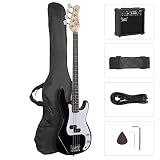
GLARRY Full Size Electric Bass Guitar Beginner Kit 4 String Exquisite Basswood Bass with 20W AMP, Cable, Strap, Bag and Accessories (Black, 39"Right Handed)
- PREMIUM BASSWOOD FOR DURABILITY AND FANTASTIC PLAYABILITY.
- VERSATILE TONE CONTROLS FOR EVERY MUSIC GENRE FROM BLUES TO METAL.
- PERFECT STARTER KIT FOR ASPIRING MUSICIANS, INCLUDES ALL ESSENTIALS.


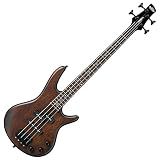
Ibanez GSRM20BWNF MiKro - Walnut Flat
- COMPACT SHORT-SCALE FOR EASIER PLAYABILITY AND COMFORT.
- RICH TONE FROM DUAL SINGLE-COIL PICKUPS AND WALNUT FLAT FINISH.
- SMOOTH JATOBA FINGERBOARD WITH A STURDY MAPLE NECK FOR STABILITY.
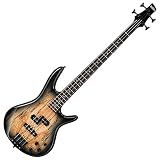
Ibanez GSR200SMNGT GIO - Spalted Maple Top Natural Grey Burst
- UNIQUE SPALTED MAPLE TOP FOR EYE-CATCHING AESTHETICS
- DURABLE MAHOGANY BODY FOR RICH, WARM SOUND QUALITY
- SMOOTH ROSEWOOD FRETS FOR EXCEPTIONAL PLAYABILITY
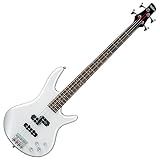
Ibanez Gio GSR200PW Bass Guitar - Pearl White
- SMOOTH PLAYABILITY WITH PREMIUM ROSEWOOD FRETBOARD.
- STUNNING PEARL DOT INLAY FOR A PROFESSIONAL LOOK.
- VERSATILE SOUND WITH SPLIT COIL AND SINGLE COIL PICKUPS.
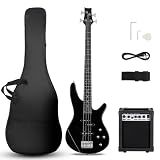
Ktaxon Electric Bass Guitar 4 String Bass Guitar Kit-Black
- RICH, STABLE TONES: DUAL PICKUPS AND CONTROLS FOR TAILORED SOUND.
- LIGHTWEIGHT DESIGN: THREE-DIMENSIONAL CUT FOR COMFORT AND RESONANCE.
- READY TO PLAY: NO ASSEMBLY NEEDED; PERFECT FOR ALL SKILL LEVELS.
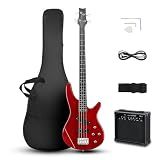
Ktaxon Electric Bass Guitar 4 String Bass Guitar Kit-Red
-
OUTSTANDING SOUND QUALITY: DUAL PICKUPS & CONTROLS FOR RICH, STABLE TONES.
-
EXQUISITE CRAFTSMANSHIP: LIGHTWEIGHT DESIGN ENHANCES PLAYABILITY AND RESONANCE.
-
READY FOR ALL LEVELS: ASSEMBLES EASILY WITH ACCESSORIES FOR INSTANT USE.
Introduction
In the evolving world of music, mastering the art of tuning a bass guitar is an ever-relevant skill. Whether you're a beginner just venturing into the low-end frequencies or a seasoned player refining your craft, ensuring your bass is perfectly tuned is crucial for making your music sound its best. As technology advances in 2026, multiple tuning methods have emerged, making it easier yet quite diverse. Let's explore the steps required to tune your bass guitar perfectly and ensure your soulful notes resonate flawlessly.
Understanding Bass Guitar Tuning
Bass guitars are the backbone of any band, providing depth and groove. Standard tuning involves four strings tuned to E1, A1, D2, and G2. Every player should understand these fundamentals before exploring alternate tunings or various accessories aiding the process.
Why Tuning is Crucial
Tuning not only affects the harmony within the music but also determines the emotional impact of the performance. A finely tuned bass guitar enhances collaboration with other instruments, creating a cohesive sound that elevates your musical expression.
How to Tune a Bass Guitar
Step 1: Gather Your Tools
Before you start:
- Ensure your bass guitar is equipped with fresh strings.
- Use a quality electronic tuner or a reliable tuning app for precision.
- A quiet environment can help in focusing on the tuning process.
Step 2: Tune the Strings
-
Start with the Low E String:
- Pluck the open string and adjust the tuning peg until the electronic tuner or app reads E1.
-
Proceed to the A String:
- Follow the same process, ensuring the tuner displays A1.
-
Next, Tune the D String:
- Adjust until you achieve a perfect D2 reading.
-
Finish with the G String:
- Aim for a G2 note, completing the standard tuning sequence.
Step 3: Verify the Tuning
- Harmonics Check: Gently touch the string at the 12th fret and pluck it to create a harmonic. The tuning should be verified with an electronic tuner for accuracy.
- Play a Simple Scale: This tests the tuning in musical context and helps you identify any inconsistencies.
Step 4: Explore Alternate Tunings
- Dive into limitless creative possibilities by experimenting with various tunings like drop D or half-step down.
- Remember that different genres may favor alternate tunings for unique sound dynamics.
How to Choose the Right Tuning Tools
Selecting the right tuning tools enhances your bass guitar experience. Here's how you can make an informed choice:
- Accuracy: Ensure the tuner provides precise readings.
- Ease of Use: Look for user-friendly interfaces, especially in apps.
- Features: Consider additional features like a metronome or tempo settings if needed.
Frequently Asked Questions
1. How often should I tune my bass guitar?
Tune your bass before every session. Environmental changes or frequent playing can affect tuning stability.
2. Can I tune my bass guitar without a tuner?
Yes, though less accurate. You can tune by ear, using a reference pitch like a piano or another instrument. However, an electronic tuner ensures precision.
3. What is the best alternate tuning for bass beginners?
Start with drop D tuning, which is simpler and adds a new depth to your music without being overly complex.
4. Is it okay to leave my bass guitar tuned when not in use?
Yes, leaving your bass in standard tuning is generally safe, but consider loosening the strings for extended periods of inactivity.
Conclusion
Perfectly tuning your bass guitar is a critical step in ensuring your music touches listeners' hearts. With various methods available in 2026, it’s more accessible than ever for musicians at any level. Dive into the evolving world of music by perfecting your instrument’s harmony and explore how other aspects like pitching music videos or musical earnings through streaming contribute to the broader musical universe. Whether you're prepping for a gig or honing your sound, perfectly tuning your bass guitar is your gateway to musical excellence. And remember, musical enhancements make thoughtful gifts for music lovers. So, keep those tunes in check and let your rhythm shine!